5 Tips to Prevent Freeze Breaks: A Guide to Winterizing Your Home
A freeze break can be as bad as the Boogeyman, so here is how to get your pipes ready before the cold arrives.
November 19, 2024 · 4 min read
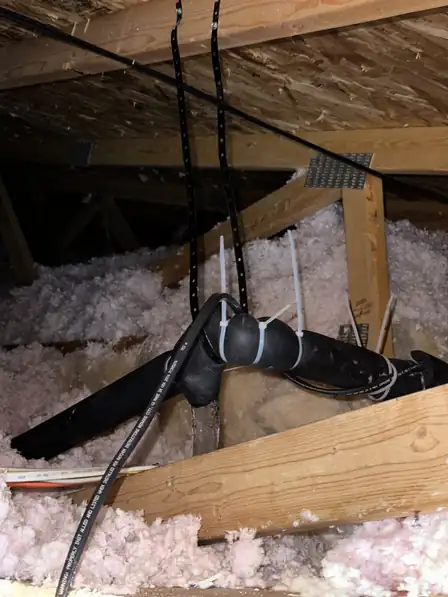
As winter approaches, homeowners face the task of preparing for colder months, and one of the most critical parts is protecting your pipes from freezing temperatures. Freeze breaks happen because the water inside a pipe freezes, expands and pops a hole, anywhere from the size of the Grand Canyon to something as small as a needle. Eventually the pipe thaws and new water finds its way through the new opening. That opening often leads into your home and has the potential to cause significant water damage, costly repairs and mold growth.
Key risks of freeze breaks
- Extensive water damage. A break can release hundreds of gallons of water, damaging your home's structure, electrical systems and personal property. We have seen a frozen fire suppression line cause massive water loss in an apartment complex. Damage to structure or electrical can be not only inconvenient but a health hazard.
- Costly repairs. Beyond fixing the break itself, repairs can include walls, floors, ceilings, structural integrity, electrical systems, HVAC units and any damaged personal contents.
- Mold growth. Water from a freeze break can lead to mold as early as 24 hours, depending on the conditions of the loss. Remediation can be complex and expensive if left unchecked, and in some cases a large presence of mold can change whether your loss is covered by insurance. With water and mold damage, time is not on your side.
- Increased insurance premiums. Most policies cover sudden breaks that lead to water loss, but even the location of the break can affect what is covered or whether it is worth a claim. Frequent claims can raise premiums, make you nonrenewable or, in the worst cases, lead to policy cancellation.
- Health hazards. Freeze breaks often happen in places that are out of sight and out of mind, like a crawlspace. A dark, humid, flooded crawlspace is a perfect breeding ground for mold and bacterial growth, which can cause respiratory problems, especially for people with allergies, asthma or other conditions that leave them compromised.
5 steps to protect your home
1. Insulate pipes
Insulating pipes is one of the most effective ways to prevent a freeze break. Focus on pipes in unheated areas such as basements, attics, garages and crawlspaces. Pipe insulation sleeves and heat tape are easy to find in most hardware stores. Make sure the insulation covers the entire length of the pipe, including joints and bends. It is much more cost effective to put these systems in place before a major loss, and most plumbers and contractors will help if you wish. We have seen an HVAC condensation line freeze and bring sheetrock down from an attic into a home nursery.
2. Seal leaks and cracks
One of the easiest ways to keep pipes warm is to keep warm air in and cold air out, and warm air will escape any way it can. Seal vents, cracks and holes before the temperature drops, using caulking, weatherstripping, foam or whatever product fits. Pay particular attention to where pipes enter or exit your home, which are common points for cold air. This also keeps your home more efficient and your energy costs lower.
3. Maintain a consistent temperature
Your home should have a baseline temperature well above freezing. Most US homes sit between 65 and 75 degrees Fahrenheit, and you should set yours to what suits you, but do not let it drop below 55 degrees. If you will be away for an extended time, consider leaving a faucet dripping slightly to keep water moving through the pipes, or shut the main water off altogether. A freeze break cannot occur if there is no still water to freeze.
4. Drain outdoor faucets and hoses
Before winter sets in, disconnect and drain all outdoor hoses. Shut off the water supply to outdoor faucets and drain any remaining water. If your home has interior shut-off valves for outdoor faucets, close them and open the outdoor faucet to drain any trapped water. We have seen an exterior faucet that was not drained for winter lead to a freeze break in a basement. This one step can prevent a large share of the freeze breaks we commonly see in winter.
5. Open cabinet doors
Where pipes run inside cabinets, such as under sinks, keep the cabinet doors open so warm air can circulate around them. This matters most in kitchens and bathrooms on exterior walls. These losses also tend to happen in areas like basements or cabins where it is not as warm as the rest of the living space, or in areas with poor insulation.
Additional tips for extreme cold
In Central Washington the temperature can drop dramatically, so consider additional measures such as a pipe heating system or heat tape. Have your attic and crawlspace inspected for exposed pipes that need heat tape or insulation wrap, and make sure insulation is installed well and is dry. Consider a thermometer in poorly heated places, and make sure the seals on doors, windows and any other cracks are tight. These measures add a layer of protection by keeping the water temperature inside the pipes up.
Monitoring and maintenance
Check your pipes regularly for signs of wear or leaks, especially in winter, because early detection can keep small issues from becoming major problems. Make sure your heating system is in good working order before winter arrives, since a failure in cold weather can lead to frozen pipes. If necessary, have your HVAC or furnace units inspected before a major failure.
Winterize before the cold, not after
Winterizing is a crucial step in protecting your property from the costly effects of freeze breaks and the water damage and mold that follow. At Baxter Construction, Restoration and Cleaning, our IICRC certified team is ready to help with insurance claims and restoration services if a break does happen. Call (509) 452-2464.
Baxter Construction and Restoration, (509) 452-2464
Call (509) 452-2464More articles
5 Biggest Myths about Mold: Mold Problems and Solutions in Central Washington State
Misinformation about mold can make owners ignore serious problems or overspend on the wrong fixes, so here is a crash course on how mold grows and how to prevent it.
Restoration Near Me: 3 Factors to Consider Before Calling
When the first thing you do is search on your phone, here is what should drive the choice of who you let into your home.