Mold Removal & Remediation
Mold Remediation in Yakima
Mold is usually a moisture symptom. We contain it, clean the air and the materials, and fix what fed it, so it does not come back.
Chapter 01
Mold is a symptom of water, so we chase the water
If you notice mold, do not wait, especially if you live with pets, children or the elderly. Mold spreads quickly and can turn into a costly problem or a serious health hazard. Often it points to something underneath: water leaking in, or humidity building up.
Along the way we work to resolve any ongoing water damage, flooding or leaks feeding the growth. Then we take steps so it does not happen again: ceiling or bathroom fans, proper sealants, roof and plumbing repairs.
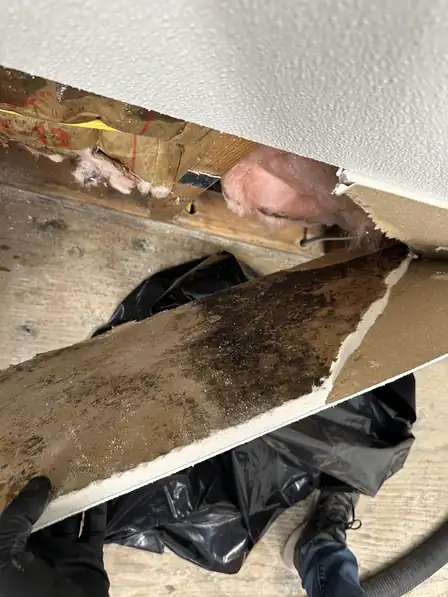
Mold growing on the back of a piece of pulled sheetrock held in a gloved hand
Containment comes before cleanup
Mold spores are highly volatile and spread easily, so handling mold begins with containment. That means getting people and belongings out of the area, turning off HVAC, placing physical barriers and, where needed, setting up a negative air pressure system.
Then comes the cleaning: HEPA vacuums, antimicrobials and air scrubbers to take out the spores. We disinfect the whole area, wipe it down, disinfect a second time and dry it out. Porous materials like some woods, drywall, insulation, fabrics or carpet may be removed and replaced altogether.
Restoration starts once the area has been cleaned, dried and moisture tested. Baxter is a full restoration company, so the same crew can take it from a minor cosmetic repair to a major reconstruction.
Chapter 03
What to do, and what not to do, while you wait for us
There are a few things you can do while professional help is on the way, and a few well-meant things that actually make mold remediation harder. Both lists are below, in plain terms.
If you are in a real emergency, call us at any hour. Our First Response Team answers 24/7, makes first contact within 30 minutes and is on site within hours.
Family owned since 1995 on River Road in Yakima, with an office in Kennewick. Many of our technicians are IICRC certified, every employee is background checked, and we work through billing with your adjustor. Call (509) 452-2464.
Mold prevention and common causes
Five ways water gets in and mold moves in
Floods
Whether it is a major pipe burst or an accidental bathtub overflow, standing water damages materials and feeds mold. Talk to a professional after a flood, or before you buy a house on a flood plain or with a sump pump.
Roof Leaks
Without regular inspection a roof leak can go unnoticed for a long time, and slow water damage grows mold hard. Check the roof and attic once or twice a year. Depending on the materials, a roof should be replaced every 12-25 years.
Plumbing & Kitchen Leaks
A pipe leak under the sink or a wax ring leak around the toilet damages what surrounds it. If it is not repaired and dried properly, mold follows. Fix a leak promptly and inspect the nearby areas.
Humidity Buildup
Most mold thrives on warmth, darkness and high humidity, so bathrooms and attics are hit most often. No ceiling fan, or a fan nobody uses, means mold remediation down the road. In attics the north slope often holds humidity and can produce attic mold.
Improper Sealants
Older windows and doors may not be sealed against outside water. Rain, snow, gutter failure and even sprinklers near the structure can start it. Inspect the exterior, clear the gutters and point sprinklers away from the building.
For how we handle the water side of it, see our water damage restoration page.
Mold do’s and don’ts
Before we get there
Do
Limit Exposure
Contain the area as much as you can, especially around pets, children, the elderly or anyone immunocompromised. Close connecting doors, windows and vents.
Turn Off Air Systems
Airflow spreads spores. Turn off ceiling and standing fans and, if feasible, heating and cooling systems.
Prevent Further Damage
If you know the source, act on it: use a different bathroom or sink, pump away standing water, or shut the water off entirely.
Don’t
Don't Use Bleach or Disinfectants
It is counterintuitive, but bleach and common household disinfectants are not our tools of choice. Do not touch or disturb the mold either.
Don't Dry the Area
Putting air movement on mold blows spores around and spreads the problem. Skip the fans and HVAC until we arrive.
Don't Paint Over Mold
Mold keeps growing and spreading through paint. Anti-mold paints only work when applied to a properly cleaned surface.
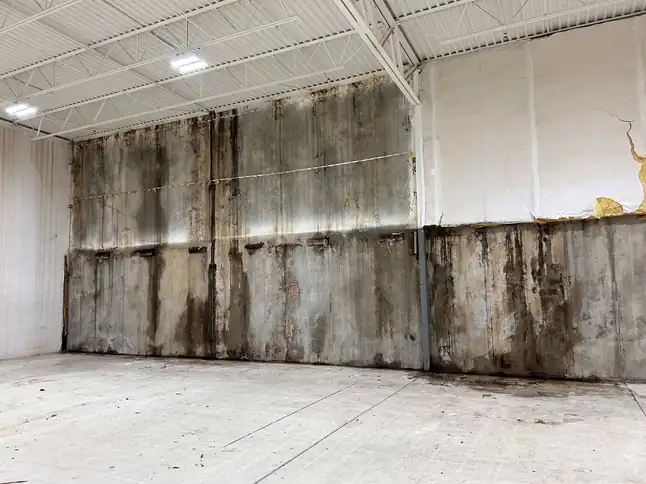
Commercial mold work
Homes and businesses, same moisture problem
A flood line and mold staining on a warehouse wall is the same story as a damp bathroom ceiling, just bigger: water got in, nobody dried it, and the mold followed. We take care of your home or your business, whatever time you call.
Your house or business may become our worksite, but it is still your home or workplace. We treat you like a friend or neighbor and communicate clearly all the way through.