When to Make a Home Insurance Claim: Major vs Minor Loss in Your Home
An insurance policy is a great tool, but it is not a one size fits all tool, and a claim made too quickly can cost you later.
October 25, 2024 · 4 min read
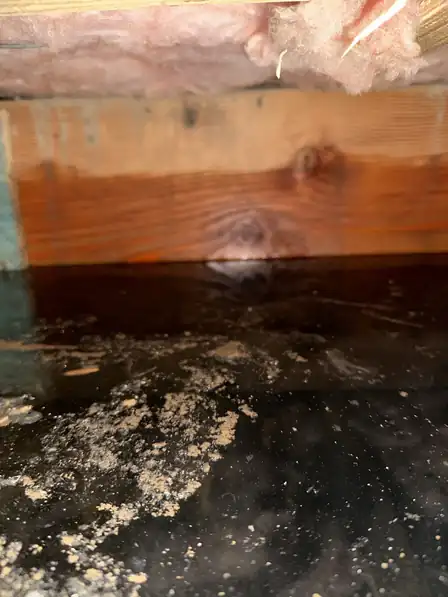
Home insurance claims can save your bacon, but they can also cost you. There are many misconceptions about what insurance is and when to use it. If you are like most homeowners, a policy, shiny or dusty, feels like a get out of jail free card for any loss in your home. In most cases that could not be further from the truth.
Why do you have a policy?
Your policy is there to protect you and your investments when things do not go as planned. A sudden pipe break that leads to water loss is one example. A grease fire that sets your kitchen ablaze is another. You may think that is exactly what you thought your policy was for, and it is. The key factor in deciding whether to make a claim is the magnitude of the loss.
Over 20 different agents have told us that policyholders jump the gun when they see a puddle of water in the basement, are eager to cash in on the policy they pay for, and end up hurt financially. Not every tool should be used for every job. If you see somebody fixing your refrigerator with a hammer, you may want to ask a few questions. Even small claims can add to future premiums and, in the worst cases, make you ineligible to renew your policy. Then you have to shop for new insurance and your home is still damaged and needing repairs.
When should you file a claim?
There is no cookie cutter answer. Most insurance agents will tell you not to make a claim if the loss is not at least three to four times your deductible. Everyone has a different deductible and a different financial situation, so that number can be hard to picture. The safest bet is to talk to your agent before deciding to open a claim, because they are the experts.
How do you decide if your loss is worth a claim?
Unless your whole septic system has filled your three story home or you can see your back yard through the charred remains of your living room, it is hard to separate feelings from rational thought in the moment. How do you wake up at 3 am, see your toilet overflowing and decide that this is three times your deductible? Most people cannot. Damage on the surface is normally just the beginning of the problem. The best move as a policyholder is to have someone experienced in emergency mitigation do a meticulous, thorough inspection. Large residential water losses are far more common than you would expect. In one case we saw, a city water main line broke and flooded a residential crawlspace with over 75,000 gallons of water.
Where do you find a mitigation expert?
Finding a professional in a crisis is challenging, not because there are too few companies willing to do the work but because you have to weed through the options and pick the one with your best interest in mind, someone you trust. Look for a few key things.
- Response time. When a loss needs mitigation, time is your biggest enemy. With water damage, even a couple of hours can be the difference of hundreds or even thousands of dollars, so find someone willing to get to you even when it is inconvenient.
- Certification and standards. The IICRC is the nationally recognized standard for mitigation training, and it sets the rule book your insurance adjuster will follow when handling your claim. Whoever is working in your home needs to know those rules, guidelines and standards. Without proper training and documentation, restoration costs can go up tremendously, usually at the customer's expense.
- Customer service. The last thing you need is a company that tears a wall down, leaves a mess, says goodbye and sends a bill with no explanation, then leaves you to explain the loss to your insurer because nothing was documented. A good team makes sure your home is clean and safe, keeps clear communication between technicians and homeowners, contacts the adjuster in charge of your claim, and gives you service and knowledge you can trust.
- Quality and integrity. You should never have second thoughts about the people in your home, how they treat your belongings, whether it is safe to be there or the final product. From day one you should be greeted by a knowledgeable team that can walk you through the process and answer your questions, and the final product should satisfy you, the team and all other parties.
- A working network of the trades. Mitigation teams cover a wide variety of tasks, but at some point they will probably need help with something outside their skills or certifications. A quality business has a network of trusted companies that bring the same level of quality, including electricians, plumbers, abatement companies and landscapers.
Where do I go from here?
There are always options in your area for picking a mitigation team, and insurance companies will generally give you a few to choose from. The choice is yours. When you are thinking of opening a claim, consider all of the key factors. When you are waist deep in water, minutes feel like hours and hours feel like days. Pick the business you feel most comfortable with, but always get an inspection before opening a claim. Call (509) 452-2464 to schedule an inspection. You may save yourself thousands of dollars and keep your premiums from rising.
Baxter Construction and Restoration, (509) 452-2464
Call (509) 452-2464More articles
5 Biggest Myths about Mold: Mold Problems and Solutions in Central Washington State
Misinformation about mold can make owners ignore serious problems or overspend on the wrong fixes, so here is a crash course on how mold grows and how to prevent it.
Restoration Near Me: 3 Factors to Consider Before Calling
When the first thing you do is search on your phone, here is what should drive the choice of who you let into your home.